ALLIANCE GLOBAL TRADE LIMITED PARTNERSHIP
DIRECT SOURCING FROM THAILAND INTERNATIONAL COMMODITY TRADE GLOBAL BUSINESS ENQUIRIES
EXPORT GUIDES · ALLIANCE GLOBAL TRADE

Export Guides

Explore practical export guides from Alliance Global Trade Limited Partnership. Find helpful information about export documentation, shipping arrangements, trade requirements and the steps involved in international commodity transactions.

EXPORT GUIDES · STEP BY STEP

Agricultural Export Process Guide

The agricultural export process brings together buyer requirements, product specifications, supply coordination, documentation and international delivery arrangements. Understanding these stages can help buyers prepare a clearer enquiry and know what may need to be discussed before an international agricultural trade transaction proceeds.

01

Submit an Export Enquiry

Begin by identifying the agricultural product, required quantity, destination market and any initial delivery or commercial expectations. Clear enquiry details help establish the scope of the discussion.

02

Define Product Requirements

Discuss the relevant product type, grade, specifications, packaging, quantity and any destination-specific requirements. Requirements can vary between commodities and importing markets.

03

Coordinate Sourcing and Supply

Explore suitable sourcing possibilities and coordinate relevant discussions with business partners. Product availability, quantities, specifications and proposed supply arrangements need to be confirmed for the particular enquiry.

04

Review Documents and Commercial Terms

Discuss the documents relevant to the product and transaction, together with pricing, payment arrangements, delivery responsibilities and applicable trade terms. The required documents depend on the commodity, route and agreed transaction.

05

Arrange Shipping and Delivery

Once the relevant arrangements have been agreed, the parties coordinate applicable freight, cargo preparation, shipping documentation and delivery schedules in line with the agreed responsibilities.

06

Follow Transaction Progress

Maintain communication as the transaction progresses, sharing relevant updates and coordinating any outstanding requirements or changes with the parties involved.

Please note: These stages provide a general overview. Actual export procedures, documents, permits, inspections and delivery responsibilities vary according to the product, origin, destination, applicable regulations and agreed transaction terms.

EXPORT GUIDES · PRODUCT REQUIREMENTS

Agri-Export Specifications

Agricultural commodity exports involve more than selecting a product. Buyers and supply partners need to understand the product type, grade, quality parameters, packaging, requested quantity and destination requirements. Defining these details early helps clarify the enquiry and provides a practical basis for discussing suitable supply arrangements.

WHY SPECIFICATIONS MATTER

Clear product details help shape the right export discussion.

Different agricultural products have unique grades, processing characteristics, handling needs and documentation considerations. Identifying these requirements for your specific commodity and destination market ensures smooth commercial alignment.

AGT PRODUCT RANGE

Product categories to explore

Review the product categories below and identify the specifications relevant to your intended purchase and destination.

Granulated sugar for agricultural commodity export enquiries 01 / COMMODITY
SWEETENERS

Sugar

Discuss sugar type, grade, colour/quality parameters, packaging and volume.

EXPLORE SUGAR →
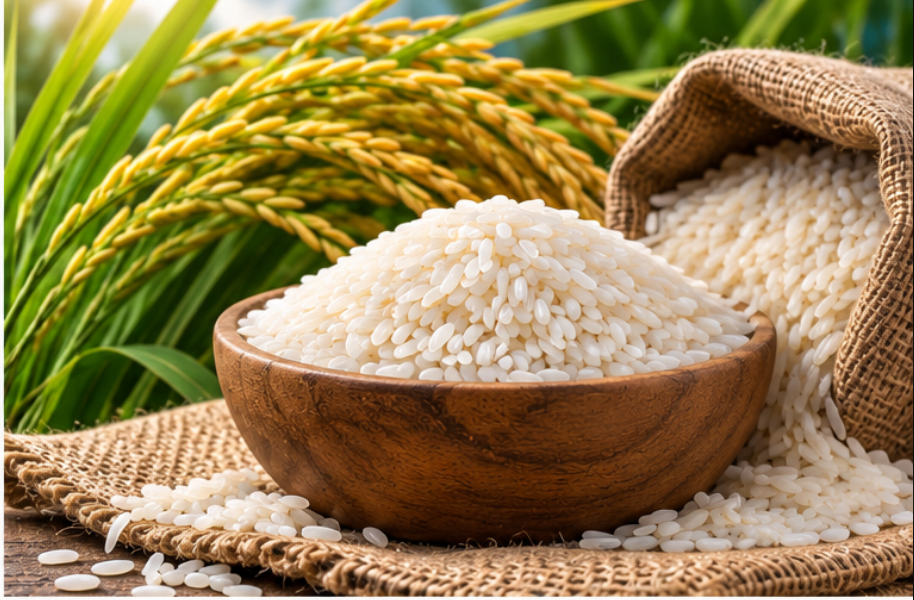
Rice grains for international agricultural product enquiries 02 / COMMODITY
GRAINS

Rice

Clarify rice variety, grain characteristics, grade, broken % and packing.

EXPLORE RICE →
Edible vegetable oil for agricultural commodity export enquiries 03 / COMMODITY
FOOD INGREDIENTS

Edible Oil

Identify oil type, refining needs, quality parameters and container format.

EXPLORE EDIBLE OIL →

Fertilizer granules for agricultural commodity supply enquiries 04 / COMMODITY
AGRICULTURAL INPUTS

Fertilizers

Specify fertilizer type, nutrient composition, physical form and volume.

EXPLORE FERTILIZERS →
BEFORE REQUESTING A QUOTATION

Key details to define in your product specifications

Providing the following information can help make an agricultural export enquiry more specific and easier to assess.

01

Product Type & Grade

Identify the exact commodity, variety, grade or formulation requested.

02

Quality Parameters

List relevant characteristics, tolerances, composition or agreed standards.

03

Packaging & Handling

Indicate preferred bag, bulk, container or packaging arrangements.

04

Quantity & Frequency

Provide estimated volume and whether repeat shipments are expected.

05

Destination Requirements

Share destination country, port and import/documentation needs.

06

Intended Use & Timing

Where relevant, explain application and preferred delivery timeframe.

MAKE YOUR REQUIREMENTS CLEAR

Have a product specification or sourcing enquiry?

Share your commodity, quantity and destination details with AGT to begin discussing potential supply arrangements.

SEND AN ENQUIRY →
RELATED RESOURCE

For general information on international food standards, consult the Codex Alimentarius official resource. Applicable standards depend on the product and destination.

EXPORT GUIDES · DOCUMENTATION

Essential Export Documentation

Export documentation helps communicate the details of an international shipment between buyers, sellers, carriers, financial institutions and relevant authorities. The documents used for agricultural exports depend on the commodity, country of origin, destination, transport method and agreed transaction terms.

COMMON DOCUMENT TYPES

Documents that may be relevant during an export transaction include:

Commercial Invoice

Summarises the sale, including the parties, product description, quantities, prices and agreed commercial details.

Packing List

Provides shipment packing details, which may include package counts, weights, dimensions and contents.

Bill of Lading / Transport Document

For ocean freight, a bill of lading records relevant carriage and cargo info. Other transport modes use applicable transport docs.

Certificate of Origin

Identifies the country of origin where required. Format and issuing process depend on destination and trade arrangement.

Inspection & Health Certificates

May be requested for particular commodities or markets, subject to applicable regulations and product characteristics.

Customs & Regulatory Documents

Declarations, permits, licences or supporting records required depending on export rules and importing country specs.

EXPORT GUIDES · CUSTOMS & REGULATIONS

Export Customs Procedures

Understanding export customs procedures is an important part of preparing an international shipment. Product classification, customs declarations, applicable permits and destination-country import rules should be considered for the specific commodity and trade route. Requirements can differ between agricultural products and importing markets.

A PRACTICAL OVERVIEW

Check the requirements before shipment arrangements are finalised.

Thailand export requirements and the rules of the destination country may involve different authorities, documents and procedures. Confirming relevant requirements early helps parties identify what needs to be prepared for the proposed transaction.

01

Product Classification

Identify the appropriate product description and tariff classification. Classification affects declarations, duties, restrictions and requested documents.

02

Export Customs Declaration

Prepare shipment and commercial information for the export declaration process, following current procedures of the responsible customs authority.

03

Permits & Supporting Documents

Check whether the commodity requires permits, licences, certificates or other supporting records before export based on applicable rules.

04

Destination-Country Rules

Review the importing country's requirements, which may include product standards, labelling, inspection, registration or import conditions.

Important: This overview is general information, not customs or legal advice. Confirm current product and destination requirements with relevant authorities or trade professionals before shipment.

DISCUSS YOUR ENQUIRY →
EXPORT GUIDES · SHIPPING & DELIVERY

International Shipping & Incoterms

International shipping arrangements bring together the movement of goods, freight planning, cargo preparation and the responsibilities agreed between the parties. For agricultural commodity exports, the appropriate shipping method and delivery terms depend on the product, shipment size, route, destination and commercial agreement.

01 · TRANSPORT MODE

Sea Freight & Cargo Movement

Consider suitable transport method, route and transit requirements. Sea freight is commonly used for large-volume shipments.

02 · CARGO PREPARATION

Container & Packaging

Discuss cargo form, packaging, loading approach and suitable container arrangements for bagged or bulk formats.

03 · SHIPMENT PLANNING

Schedules & Coordination

Coordinate estimated shipment timing, cargo readiness, booking arrangements and relevant shipping info with parties involved.

04 · DELIVERY TERMS

Documents & Trade Terms

Clarify relevant transport documents and responsibilities allocated to each party under agreed delivery terms and named port.

EXPORT GUIDES · QUALITY & COMPLIANCE

Quality & Agricultural Compliance

Agricultural product quality requirements should be considered alongside product specifications, intended use and destination-market rules. Depending on the commodity and transaction, buyers may request supporting information, inspection arrangements, certificates or laboratory reports to help assess whether the proposed goods meet agreed requirements.

A PRODUCT-SPECIFIC APPROACH

Understand requirements before agreeing inspection and documentation processes.

Quality parameters and product compliance requirements vary between agricultural commodities. They should be identified against product specifications, applicable standards, importing-country rules and terms agreed by the parties.

01 · SPECIFICATIONS

Product Specifications

Define relevant grade, variety, composition, physical characteristics, tolerances and parameters agreed for the commodity.

02 · INSPECTION

Inspection Arrangements

Where required or agreed, clarify inspection scope, timing, location, responsible inspection provider and acceptance criteria.

03 · CERTIFICATES

Certificates & Records

Check whether certificates or supporting records are relevant to the commodity, destination, importing authority or transaction.

04 · LABORATORY REPORTS

Testing & Lab Reports

Where testing applies, confirm requested parameters, sampling approach, laboratory or service provider and report format.

05 · STANDARDS

Food & Agricultural Standards

Identify standards or regulatory requirements applying to the product and intended market. Relevant rules differ by commodity.

06 · DESTINATION

Import-Market Requirements

Consider destination-specific requirements such as product registration, labelling, health documentation or import conditions.

REFERENCE RESOURCES

Explore recognised food and agricultural standards.

Independent resources helping readers understand general standards and regulatory frameworks.

Important clarification: Inspection, testing, certificates and laboratory reports are not automatically required for every shipment. Availability and scope depend on the commodity, destination rules and agreements.
CLARIFY YOUR PRODUCT REQUIREMENTS

Need to discuss specifications or supporting documents?

Contact AGT with your product, destination and quality requirements to begin an enquiry.

CONTACT AGT →
EXPORT GUIDES · BUYER CHECKLIST

Agricultural Export Preparation Checklist

Use this export preparation checklist to organise key information for an international commodity shipment. Preparing product details, quantities, packaging preferences, destination information, documentation expectations, commercial terms and shipping requirements can help make an export enquiry clearer and support more focused discussions.

A CLEARER ENQUIRY

Good preparation helps move the discussion forward.

Not every detail needs to be final at the enquiry stage. Share what you know and identify any requirements that still need confirmation.

  • ✓ Requirements vary by commodity & destination.
  • ✓ Documents depend on applicable trade rules.
  • ✓ Supply arrangements require confirmation.
  • ✓ Terms should be agreed by all parties.

AGT can discuss your agricultural sourcing requirements.

SUBMIT AN ENQUIRY
BEFORE YOU SUBMIT AN ENQUIRY

Have these details ready

01 — 08
01

Product & Specifications

Identify commodity, product type, grade, variety or formulation specifications.

Sugar · Rice · Edible Oil · Fertilizers
02

Quantity & Order Volume

Provide estimated quantity, order size and one-time or recurring timeline.

03

Packaging & Cargo Format

Indicate preferred packaging (bags, bulk) and handling considerations.

04

Destination & Import Rules

Share destination country, port, registration and import rules identified.

05

Documentation & Certificates

List documents, certificates, inspection records or test reports needed.

06

Commercial Terms

Consider proposed pricing basis, payment arrangements and delivery terms.

07

Shipping & Delivery

Indicate transport method, estimated timeframe and container needs.

08

Enquiry Follow-Up & Review

Confirm primary contacts and coordinate initial technical review updates.

USEFUL TRADE REFERENCES

For general guidance, visit the ICC Incoterms® resource for delivery terms and the Thailand Customs Department for official customs information. Check destination-country requirements with relevant importing authorities.